Key Features of Short Drama
Short drama series share a handful of defining traits, even as the genres and settings vary widely from one title to the next.
Episodes are shot vertically, so the entire screen is filled without turning the phone sideways.
Runtime per episode typically falls between one and two minutes, with a full short drama series often spanning twenty to one hundred episodes.
Plots lean into heightened emotion: sudden reversals, clear conflict between a protagonist and an antagonist, and stakes that escalate fast.
Common storylines include revenge, hidden wealth, secret identities, and romance that develops under pressure.
Nearly every episode closes on a reveal, a twist, or an unresolved threat that pulls the viewer into the next one.
These features work together to keep a short drama series watchable in small bursts without losing narrative momentum.
How a Short Drama Episode Is Built?
A single drama short has very little room for setup, so writers front-load the hook. The opening seconds usually establish who the viewer should root for and what is at risk, often through a familiar archetype rather than a slow character introduction. From there, the conflict escalates quickly across a handful of scenes, with dialogue kept tight and reactions kept visible.
Resolution is frequently partial. A short drama episode might answer one question while raising a bigger one, which is what carries a viewer from episode three into episode four without a pause. This structure asks less patience of the viewer than a traditional hour-long drama, but it demands more precision from the writer, since every line has to earn its place.
The Rise of Chinese Short Drama
The chinese short drama industry is where the format first scaled into a true entertainment business, with vertical mini-series drawing massive daily audiences and a fast production cycle that allowed new titles to launch every week. That volume created space for a new kind of star: emerging chinese short drama actors built loyal followings not through film or television, but through recurring roles across multiple short drama apps and series.
As international audiences discovered the format, translation, dubbing, and localized storylines helped chinese short drama cross into new markets. The pacing, cliffhangers, and heightened emotion translated well because they rely on visual storytelling and universal conflicts rather than dialogue heavy exposition. That portability is a big reason short dramas now reach viewers well beyond the markets where the format began.
Why Short Dramas Have Become So Popular?
Several habits and trends have combined to push short dramas into the mainstream at the same time.
Built for Busy Schedules
Many viewers no longer have a block of free time to dedicate to a single show. Short dramas fit into the gaps of a normal day: a short commute, a break at work, or a few minutes before a meeting starts. Because each episode is self-contained enough to deliver a payoff, a viewer never feels like they wasted the time they had.
Emotional Payoff in Minutes
Traditional dramas build tension over hours. A drama short compresses that arc into minutes, so betrayal, romance, or a big reveal lands almost immediately. That intensity is part of the appeal, since viewers get a strong emotional hit without committing to a full season.
Momentum That Keeps Viewers Watching
Because episodes are short, finishing several in one sitting feels effortless rather than demanding. A cliffhanger at the end of one episode removes the natural stopping point that a full-length show would offer, so a viewer who planned to watch one episode often ends up watching six or seven. That momentum is a big part of why sessions on a short drama app tend to run longer than viewers originally intend.
Lower Barriers for New Creators
Shorter shoots, smaller crews, and tighter scripts make short drama production faster and less expensive than a full television series. That has opened the format to a wider range of studios and storytellers. The result is a genuinely broad catalog of genres and tones for viewers to choose from.
Popular Short Drama Themes and Genres
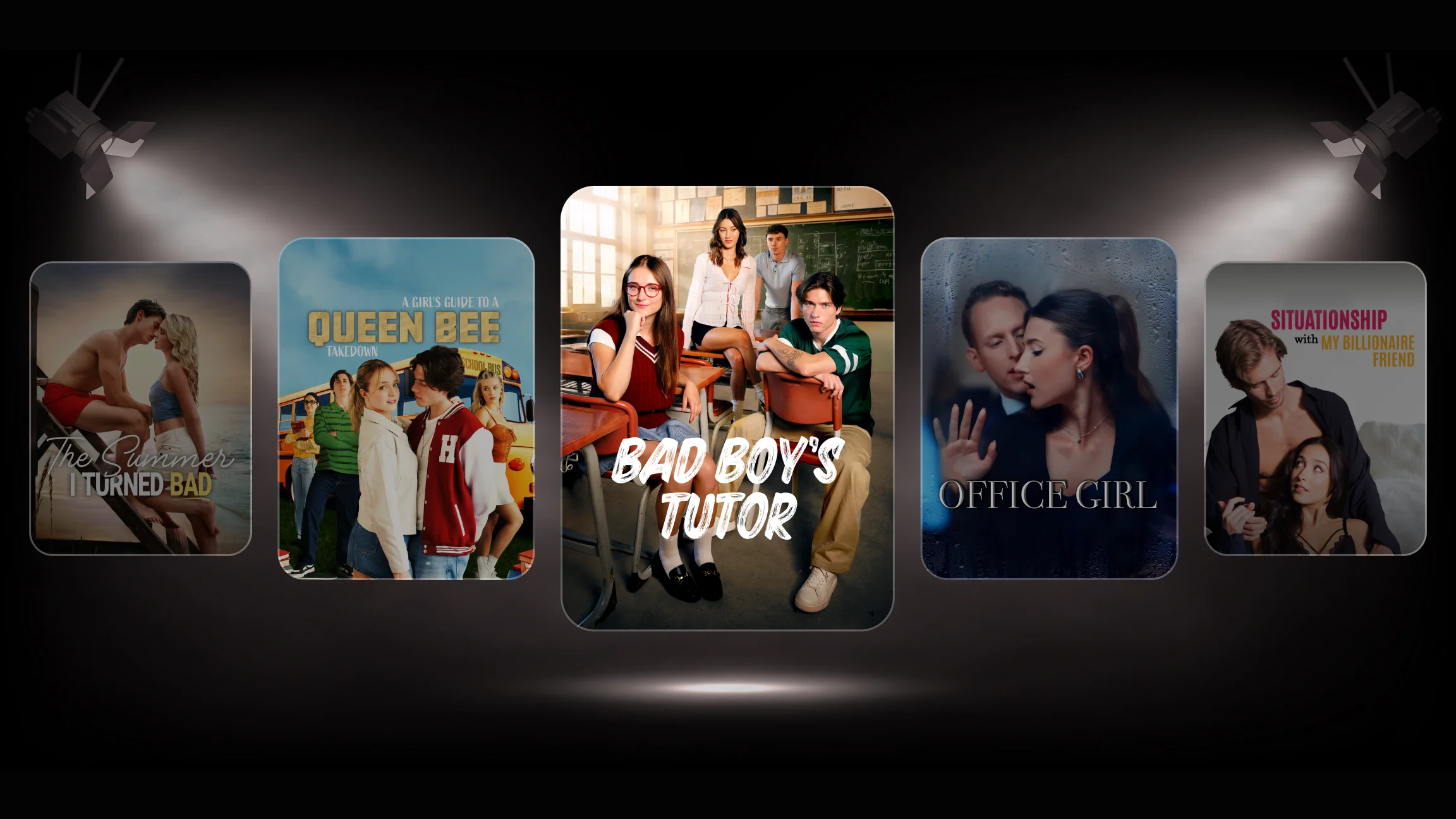
Romance remains the backbone of the format, but it branches into many distinct flavors. Fans of forbidden connections gravitate toward age gap romance dramas, while viewers who want the energy of first crushes and rivalries tend to look for high school drama series or a young adult short drama series. Mystery-driven viewers often prefer hidden identity storylines, where a character's true background stays concealed until a carefully timed reveal.
Workplace settings have also become a strong subgenre in their own right, mixing ambition, rivalry, and romance under one roof. Readers who want a closer look at this corner of the format can check out our roundup of the best office romance short drama series for specific titles worth starting with.
Where to Watch Short Drama
Short dramas live almost entirely outside traditional television, distributed instead through dedicated mobile apps built specifically for vertical, episodic viewing. A short drama app typically organizes its catalog by genre, trending titles, and new releases, and lets a viewer start a series with a single tap rather than searching through a broader video library. That distribution model lets studios release new episodes on a regular schedule instead of waiting for a traditional broadcast slot.
DramaPops is one such short drama app, offering a catalog across genres like mafia, dark romance, campus love stories, and billionaire romance, with dubbing or subtitles available in thirteen languages. Viewers can build a personal watchlist, follow a series for new episode alerts, and earn tickets through daily logins to unlock additional episodes for free. That combination of a wide genre catalog and a rewards system built around consistent viewing is what turns a single episode into a daily habit for many DramaPops viewers.